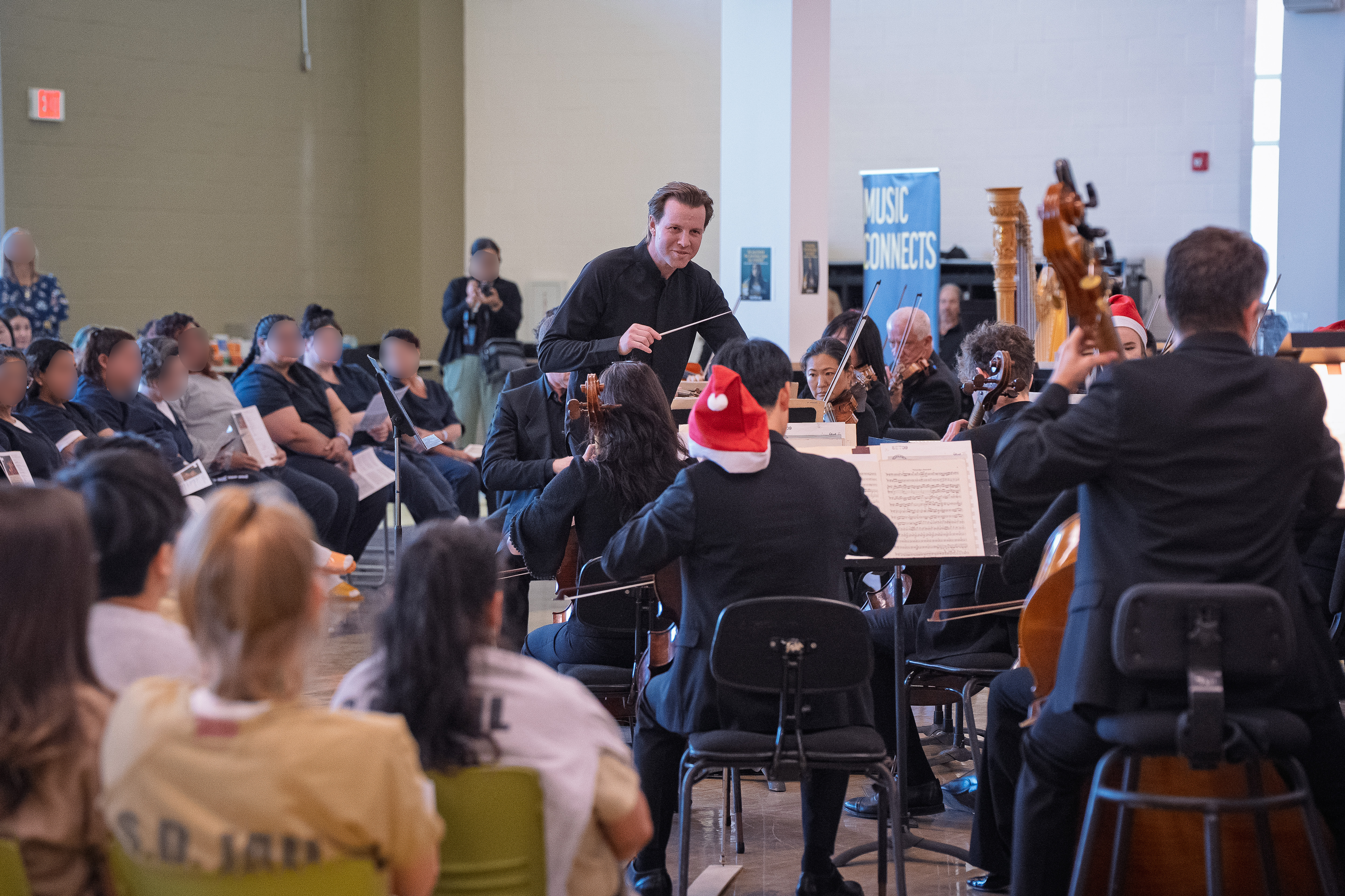
Last week, I had the honor of leading the San Diego Symphony in two concerts as part of the orchestra’s Music Connects series. The first took place at Marine Corps Air Station Miramar. The second was at the Las Colinas Women’s Detention and Reentry Facility.
Both performances were memorable, but our afternoon at Las Colinas was one of the most meaningful and moving musical experiences of my career.
As we drove up to the facility, I’ll admit I felt uncertain about what to expect. I had never been inside a correctional facility before, and my mental image was shaped largely by television and film. None of that reflected the reality we encountered.
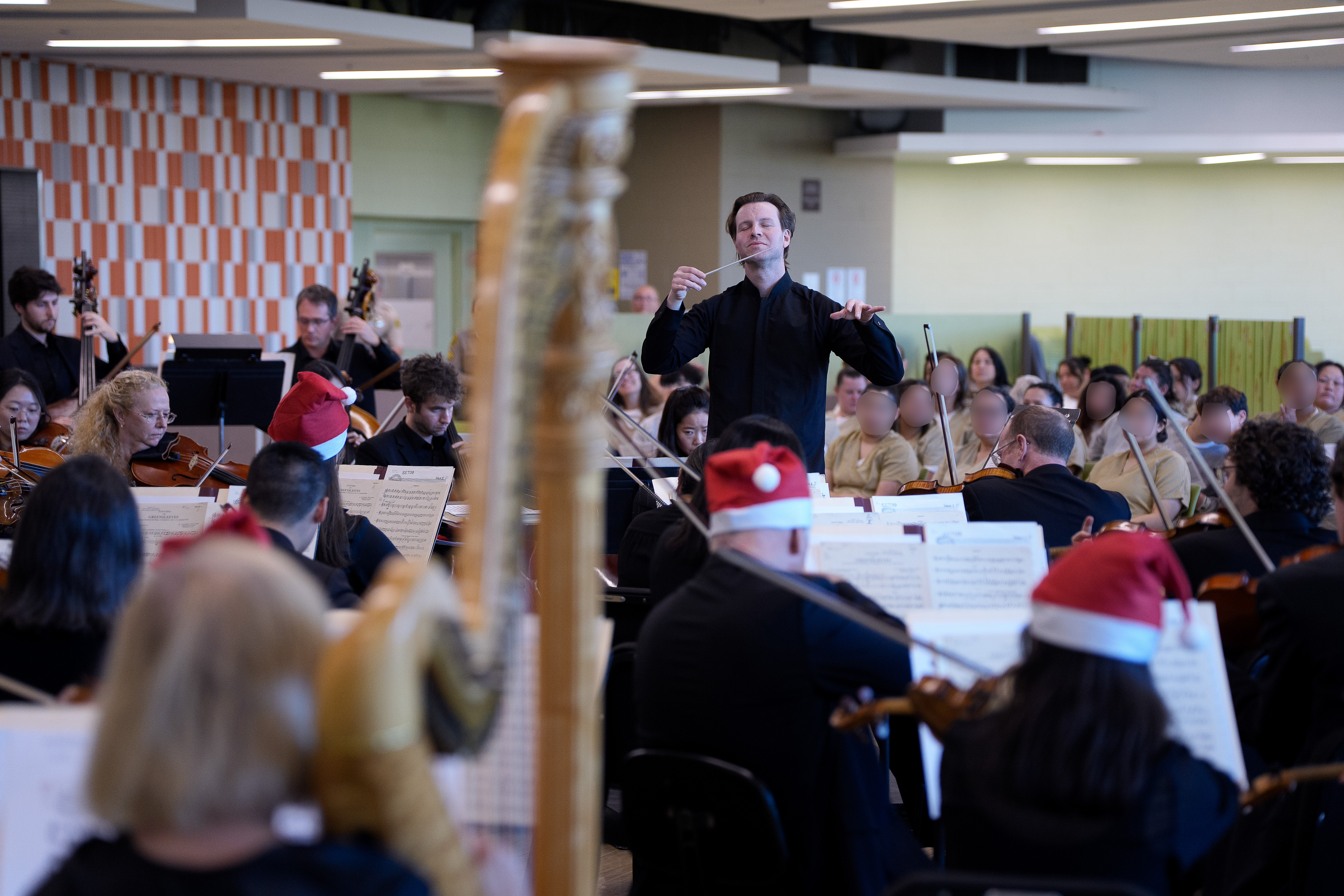
From the moment we arrived, the experience could not have been more positive. The staff were warm, professional, and deeply welcoming. And our audience was extraordinary. They were engaged, curious, and visibly moved by the music.
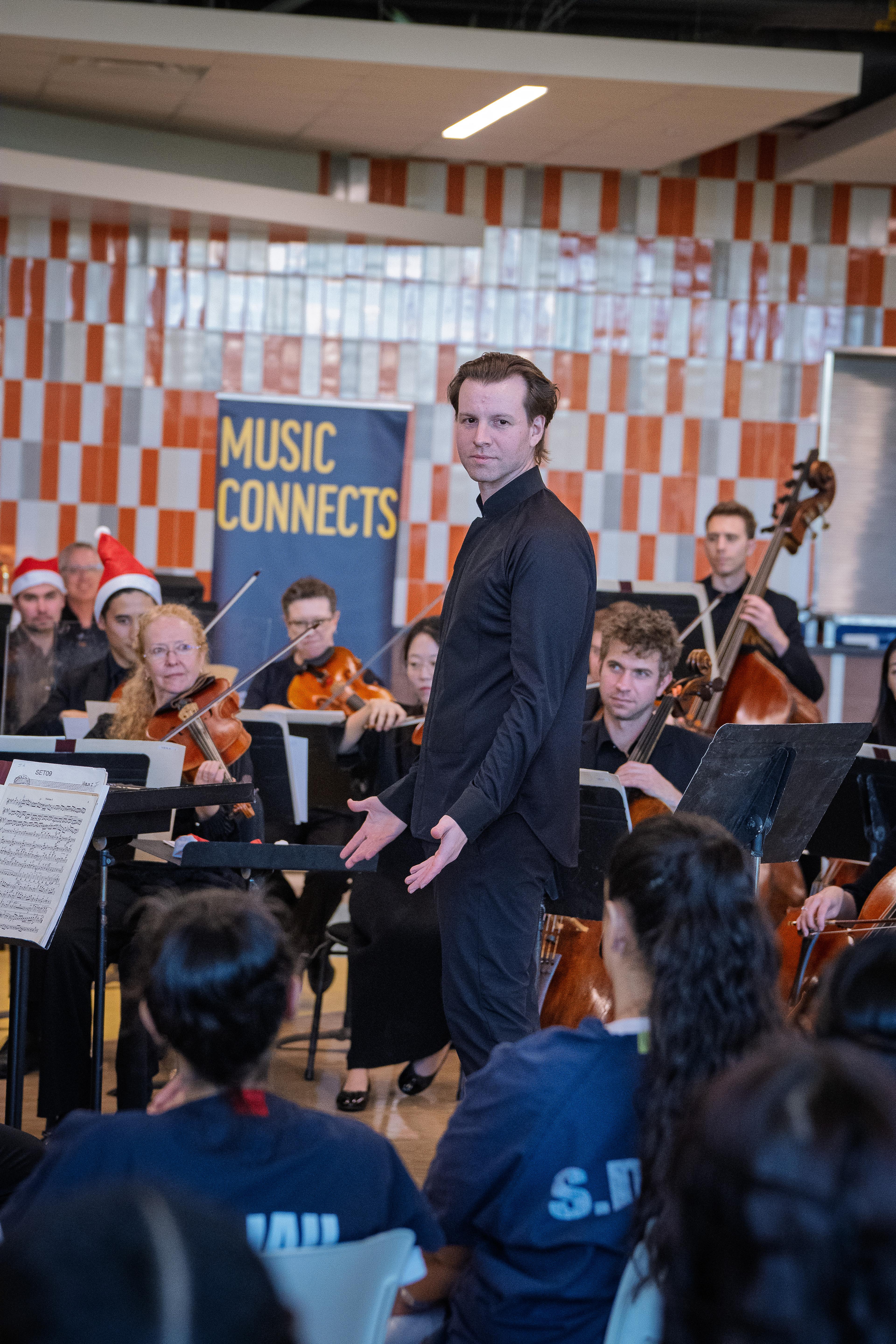
After the performance, I led a short Q&A, and the questions were thoughtful, insightful, and genuinely probing. I recieved a question wondering what exactly I was doing on the podium, and what my movements mean. In order to demonstrate this, I had the orchestra play the opening of Mendelosshn’s 4th Symphony without me. (You can see this moment in the photo below).
I then led the orchestra in the same excerpt to show exactly the difference I seek to make when I’m on the podium.
When the performance was over, I was speaking with a musician in the parking lot, and we both agreed that we wish would could have spent longer there. That there was so much work left to be done, and positivity to be shared.
There could not be a more fitting name for this concert series than Music Connects. Music reflects the full range of human experience. Each of us carries a story shaped by circumstances we could never fully predict or control. But when we gather to listen, something remarkable happens: for a brief moment, we share a single experience. We sit together to observe a moment that will exist in the air for that specific transient moment, and then dissapear forever. Music allows us to encounter a sense of unity and even glimpse a slice of the infinite in a way no other art form can.
The performance at Marine Corps Air Station Miramar was totally different but similarly special, with a lively audience of families with young children.
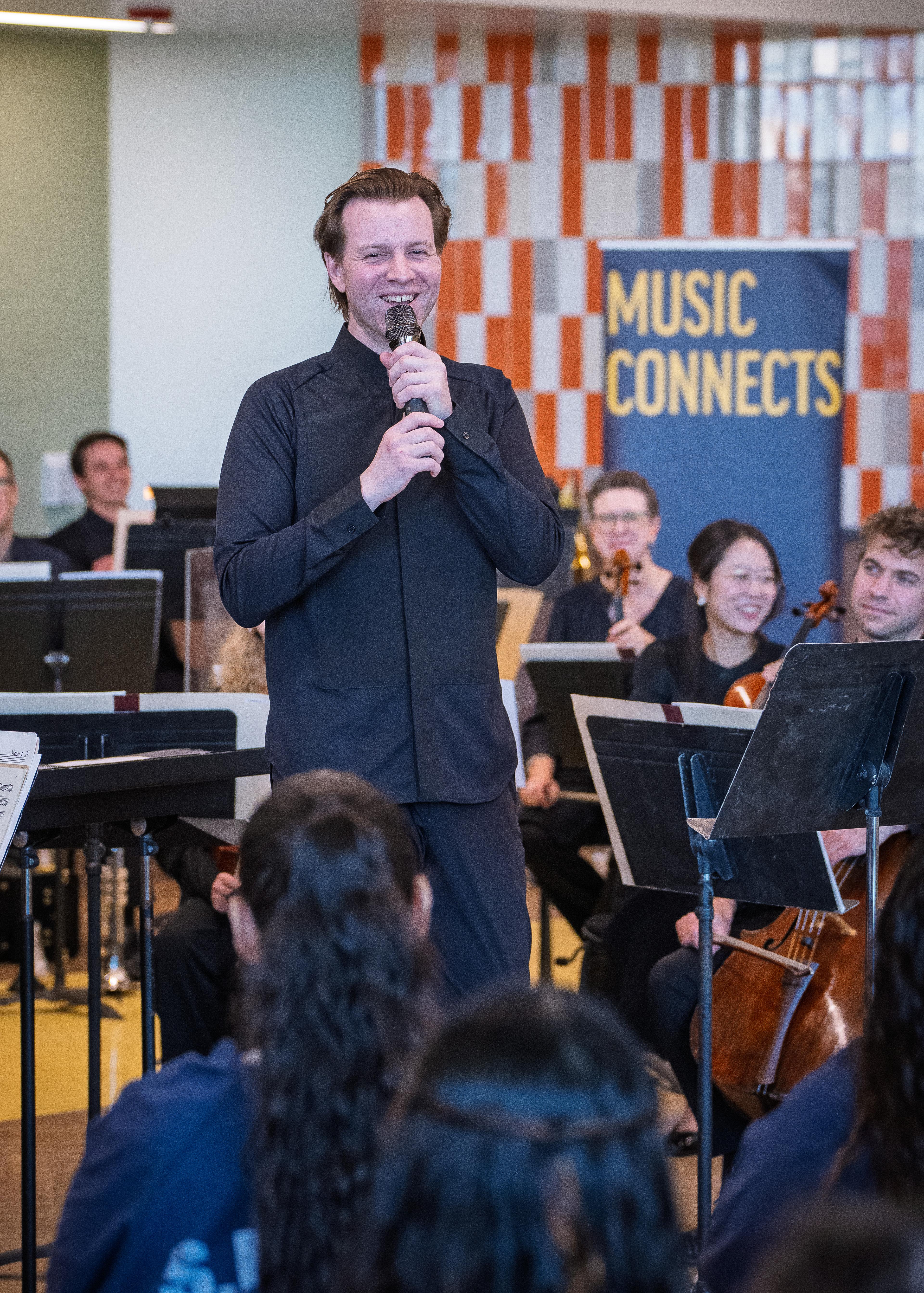
When pursuing excellence, it is easy to lose sight of why we began in the first place. Career pressures, ambition, and the sheer effort of survival can quietly and insidiously erase purpose.
Choosing a life in the arts is, by definition, a commitment to difficulty. No one told me as a teenager that becoming a musician would be easy, stable, or lucrative. It’s exactly the opposite. It can be grueling, lonely, and deeply uncertain. You will almost certainly lose friends, relationships, and a sense of normalcy along the way.
Moments like this bring everything back into focus.
When artists are given the opportunity to share their work with an audience that is open, present, and eager to listen, the purpose of the struggle becomes clear. In settings like Las Colinas — and earlier that week, performing for military service members and their families — you are reminded not only that your own difficulties are small by comparison, but also why you endured them. We push ourselves so that, when given the chance, we can offer joy, connection, and meaning.
That sense of purpose carried with me as I flew immediately back to Philadelphia to assist The Philadelphia Orchestra and Music Director Yannick Nézet-Séguin on performances of Handel’s Messiah.
Fresh off such a profound experience in San Diego, this piece — one we hear basically every single year, maybe multiple times — felt newly alive. The performances were charged with urgency, drama, and clarity, as if the music were being improvised on stage at that very moment.
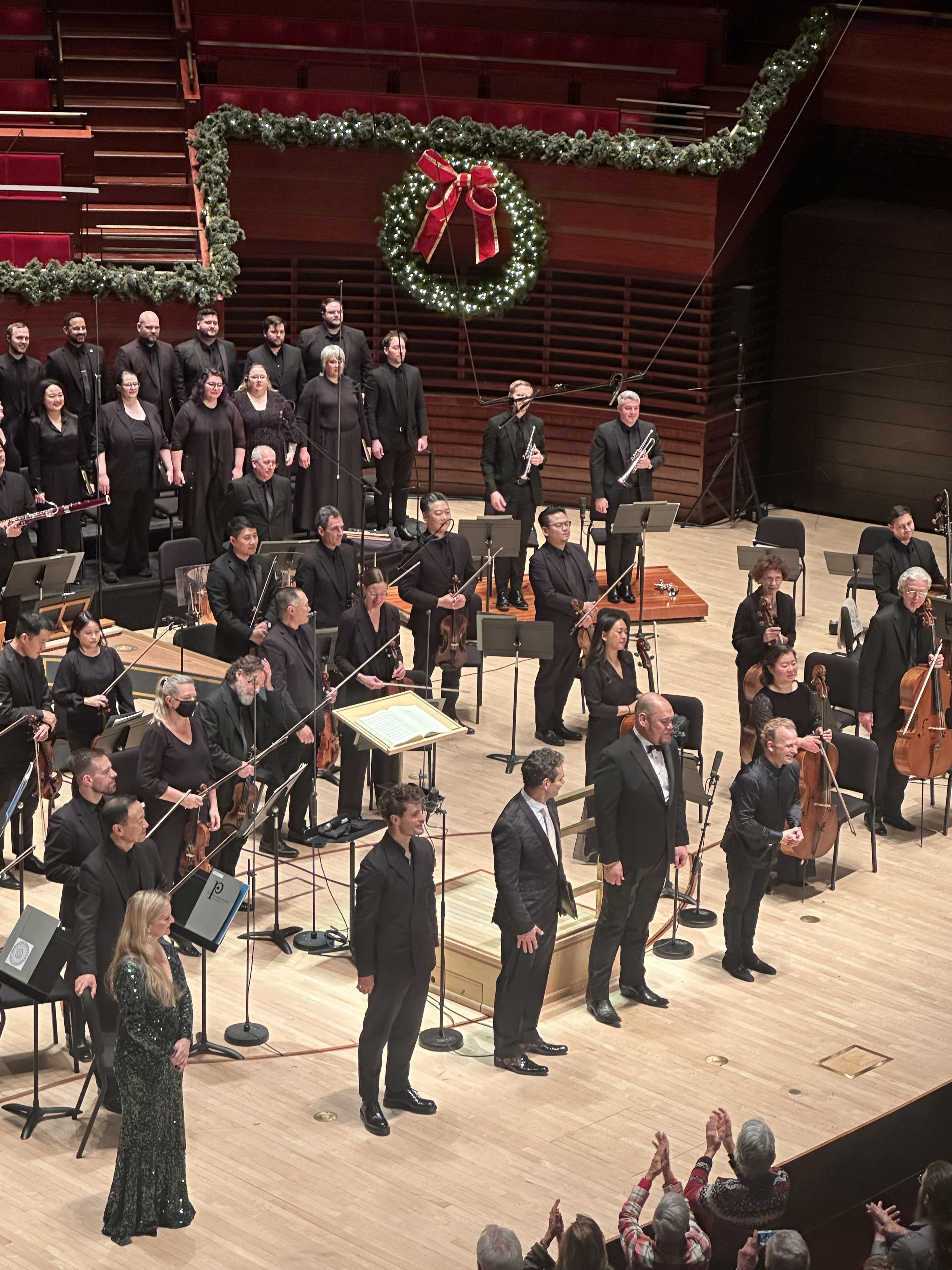
Taken together, these experiences renewed and deepened my belief in the power of music, its essential place in our lives, and my own mission: to share musical experiences that encourage deeper listening and genuine human connection.
I took these performances at Las Colinas and Marine Corps Air Station Miramar as a vivid reminder of why orchestral organizations exist in the first place. Orchestras are, at their core, vehicles for service. We serve the composers, the musicians, and most of all, our audiences. The community an orchestra belongs to is its reason for being. That community must be gathered, nurtured, and expanded. Everything we do is in service of creating deeper, more meaningful musical experiences. It is as simple — and as complicated — as that.
It is easy to get lost in the pursuit of the “greatest”: the greatest soloists, conductors, halls, and repertoire. There is nothing wrong with any of this. But we must keep one foot firmly on the ground and remain focused on enriching the lives of those in our communities who need it most. That is the noble work of the musician.